VoIP technology has revolutionized communication, but it has also led to challenges, particularly with caller ID spam. Many businesses find their VoIP caller IDs marked as spam, which can significantly impact their communication efforts and customer trust. This article will explore the reasons behind this issue, including caller ID spoofing and the role of the STIR/SHAKEN protocol in mitigating these problems. Additionally, we will discuss effective business strategies to address VoIP caller ID spam issues and highlight tools and services that can help prevent spam calls. By understanding these factors, businesses can take proactive steps to protect their caller ID reputation and ensure effective communication.
Indeed, the rapid advancement of technology, while beneficial, also introduces new vulnerabilities and forms of digital misconduct that require constant vigilance and mitigation strategies.
Mitigating Internet Crimes with Modern Technology
There is no doubting that contemporary technology creates new hazards, and these threats are many and significant, directly harming people’s lives and threatening their stability. Because of the increased use of computers and Internet-connected cellphones in recent years, the problem of cybercrime has expanded substantially. Unquestionably, this kind of crime is now a reality that jeopardizes people’s reputations and lives, therefore we must be aware of it to prevent being a victim. The exponential growth in internet connectedness is closely tied to a rise in cyberattack incidences, frequently with significant consequences.
A review on the mechanism mitigating and eliminating internet crimes using modern technologies: Mitigating internet crimes using modern technologies, H Ibrahim, 2022
What Causes VoIP Caller IDs to Be Marked as Spam?
VoIP caller IDs can be marked as spam for several reasons, primarily related to caller ID spoofing and the mechanisms used to classify calls as spam. Understanding these causes is essential for businesses to navigate the challenges of VoIP communication effectively.
How Does Caller ID Spoofing Lead to Spam Classification?
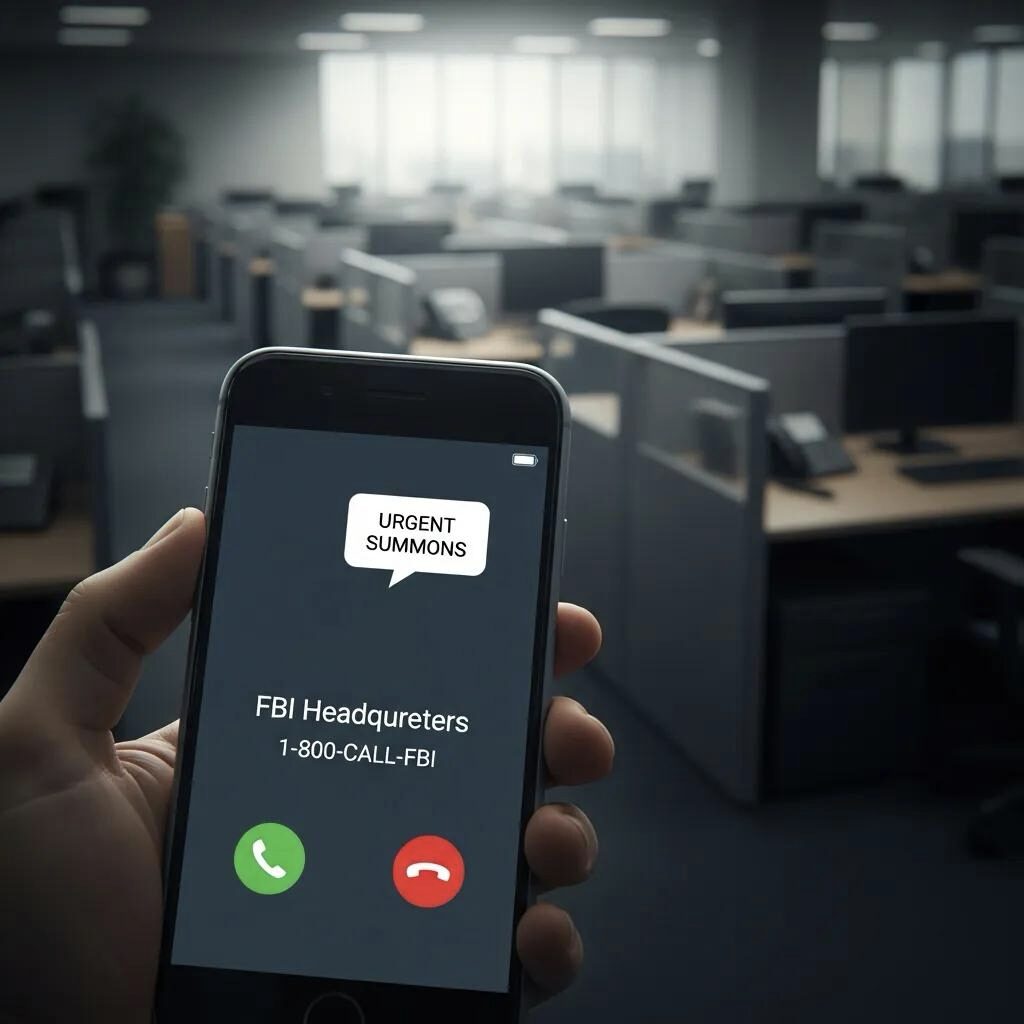
Caller ID spoofing occurs when a caller deliberately falsifies the information transmitted to the recipient’s caller ID display. This practice can lead to spam classification because it creates distrust among recipients. When users receive calls from numbers that appear to be local or familiar but are actually spoofed, they are more likely to report these calls as spam. This reporting contributes to a broader classification of similar calls as spam, affecting legitimate businesses that may inadvertently be caught in this web of distrust.
Addressing these sophisticated methods of deception requires advanced detection systems, particularly those that can analyze behavioral patterns to identify malicious activity.
Behavior-Based Detection of VoIP SPIT Attacks
Spam over IP telephony (SPIT) is expected to become a serious problem as the use of voice over IP grows. This kind of spam is appreciated by spammers due to its effectiveness and low cost. Many anti-SPIT solutions are applied to resolve this problem but there are still limited in some cases. Thus, in this paper, we propose a system to detect SPIT attacks through behavior-based approach.
Behavior-based approach to detect spam over IP telephony attacks, R Jabeur Ben Chikha, 2016
Why Do VoIP Calls Sometimes Show Unknown or Blocked Caller IDs?
VoIP calls may show unknown or blocked caller IDs due to various technical reasons. One common cause is the failure of the caller ID information to transmit correctly through the network. This can happen if the VoIP provider does not support caller ID features or if there are issues with the network configuration. Additionally, some users may intentionally block their caller ID for privacy reasons, leading to confusion and mistrust among recipients. Understanding these technical aspects is crucial for businesses to address caller ID issues effectively.
How Does the STIR/SHAKEN Protocol Help Prevent VoIP Caller ID Spoofing?

The STIR/SHAKEN protocol is a framework designed to combat caller ID spoofing and enhance the trustworthiness of caller ID information. By implementing this protocol, telecommunications providers can significantly reduce the incidence of spam calls.
What Is the Role of STIR/SHAKEN in Caller ID Authentication?
STIR (Secure Telephone Identity Revisited) and SHAKEN (Signature-based Handling of Asserted information using toKENs) work together to authenticate caller ID information. When a call is made, the originating carrier generates a digital signature that verifies the authenticity of the caller ID. This signature is then passed along the call path to the terminating carrier, which can validate the caller’s identity before delivering the call to the recipient. This process helps ensure that legitimate calls are not misclassified as spam, thereby improving overall call trust.
Why Does STIR/SHAKEN Improve Call Trust but Not Fully Eliminate Spam?
While the STIR/SHAKEN protocol significantly enhances caller ID authentication, it does not completely eliminate spam calls. Some spammers may still find ways to bypass these security measures, and not all VoIP providers have implemented the protocol fully or correctly. Additionally, legitimate calls can still be mistakenly flagged as spam due to user reports or network issues. Therefore, while STIR/SHAKEN improves call trust, businesses must adopt additional strategies to mitigate spam classification.
What Business Strategies Can Fix VoIP Caller ID Spam Issues?
To effectively address VoIP caller ID spam issues, businesses can implement several strategies that focus on authentication and reputation management.
Which Caller ID Authentication Methods Should Businesses Implement?
Businesses should consider implementing the following caller ID authentication methods:
- STIR/SHAKEN Protocol: Ensure that your VoIP provider supports this protocol to enhance caller ID verification.
- Caller ID Whitelisting: Work with your VoIP provider or third-party services to whitelist your business numbers, ensuring they are recognized as legitimate.
- Regular Monitoring: Continuously monitor your caller ID reputation and address any issues promptly.
These methods can help businesses maintain a positive caller ID reputation and reduce the likelihood of being marked as spam.
How Can Businesses Use Call Reputation and Spam Score Systems?
Utilizing call reputation and spam score systems can provide valuable insights into how your calls are perceived. Businesses can:
- Analyze Call Data: Regularly review call data to identify patterns in spam reports.
- Adjust Calling Practices: Modify calling practices based on feedback from reputation systems to improve call delivery.
- Engage with Customers: Encourage customers to save your number and report any spam misclassifications to help improve your reputation.
By actively managing call reputation, businesses can enhance their communication effectiveness and reduce spam classifications.
What Tools and Services Help Prevent VoIP Spam Calls for Businesses?
Several tools and services are available to help businesses prevent VoIP spam calls and protect their caller ID reputation.
Which VoIP Providers Offer Spam Mitigation Features?
Many VoIP providers now offer spam mitigation features, including:
- Call Blocking: Automatic blocking of known spam numbers.
- Caller ID Verification: Enhanced verification processes to ensure caller ID accuracy.
- Spam Reporting Tools: Tools that allow users to report spam calls easily.
These features can significantly reduce the number of spam calls businesses receive and improve overall communication quality.
Such features are crucial for securing VoIP communications, as they help in identifying and classifying various forms of attacks, including spam over IP telephony.
Securing VoIP: Detecting Spam Over IP Telephony (SPIT)
Security of session initiation protocol (SIP) servers is a serious concern of Voice over Internet (VoIP) vendors. The important contribution of our paper is an accurate and real-time attack classification system that detects: (1) application layer SIP flood attacks that result in denial of service (DoS) and distributed DoS attacks, and (2) Spam over Internet Telephony (SPIT).
Securing SIP-based VoIP infrastructure against flooding attacks and Spam Over IP Telephony, MA Akbar, 2014
How Can Structured Data and Monitoring Improve Spam Detection?
Implementing structured data and monitoring systems can enhance spam detection capabilities. Businesses can:
- Utilize Analytics Tools: Employ analytics tools to track call patterns and identify potential spam threats.
- Implement Structured Data: Use structured data to provide additional context about your calls, improving recognition by spam detection systems.
- Regularly Update Systems: Keep monitoring systems updated to adapt to evolving spam tactics.
By leveraging these tools, businesses can improve their spam detection and response strategies, ensuring better communication outcomes.
Conclusion: Protecting Your VoIP Reputation with Proactive Management
The challenge of VoIP caller IDs being marked as spam is a complex issue driven by technical factors like caller ID spoofing and the mechanisms used by carriers to combat it, such as the STIR/SHAKEN protocol. While STIR/SHAKEN significantly improves call authentication, it is not a silver bullet, meaning businesses must adopt a proactive, multi-layered strategy involving authentication methods and reputation management to ensure their legitimate calls reach customers.
To effectively mitigate these risks, businesses need powerful tools to monitor and manage their caller ID reputation. This is where the solutions provided by IDT Express, specifically the MrCaller ID platform, become invaluable.
MrCaller ID is IDT Express’s dedicated caller ID management platform designed to help businesses maintain a clean calling reputation. It actively detects if your business numbers are being marked as spam by major carriers and provides the necessary tools and support to resolve these classifications quickly. By giving businesses visibility into their numbers’ status across the telecom ecosystem, MrCaller ID allows for swift action before customer communication is severely impacted.
Furthermore, IDT Express offers a critical utility for businesses leveraging the STIR/SHAKEN framework: our STIR/SHAKEN Rating Checking Tool. This platform allows you to instantly check the authentication status and integrity level of your outgoing calls. Understanding your current STIR/SHAKEN rating (A, B, or C) is the first step toward compliance and improved delivery, giving you the assurance that your calls are being validated correctly and are less likely to be mistakenly flagged as spam.
By integrating the proactive monitoring of MrCaller ID with the verification power of the STIR/SHAKEN Rating Checking Tool, businesses can protect their communication channels, build customer trust, and ensure that their VoIP technology remains a powerful asset, rather than a liability, in the modern communication landscape.