A cloud call center is a modern solution that leverages cloud computing technology to manage customer interactions and support services. This innovative approach allows businesses to operate their call centers remotely, providing flexibility and scalability that traditional on-premise systems cannot match. In this comprehensive guide, we will explore the workings of cloud call centers, their key features, benefits, and how they compare to traditional systems. Many organizations face challenges in managing customer service efficiently, especially with the increasing demand for remote support. Cloud call centers offer a solution by streamlining operations and enhancing customer experience. We will delve into the technologies that power these systems, their advantages, and the emerging trends shaping the future of cloud communication.
How Does a Cloud Call Center Work? Understanding Cloud Telephony Services and Call Center Automation Tools
Cloud call centers operate by utilizing “cloud telephony services”, which enable voice communication over the internet. This technology allows businesses to manage calls through a centralized platform, accessible from anywhere with an internet connection. The integration of call center automation tools further enhances operational efficiency by automating routine tasks, such as call routing and customer data management.
Indeed, the transformative power of cloud telephony extends to driving digital transformation and enhancing remote customer service capabilities.
Cloud Telephony: Driving Digital Transformation & Remote Customer Service
increasingly unsuitable in the era of remote work and digital mobility. With the advent of cloud telephony allows for call automation, call analysis, and improved customer service [5].
Cloud Telephony as a Driver of Digital Transformation in Corporate Telecommunications: An Empirical Study, A Bekyarova-Tokmakova, 2025
What Technologies Power Cloud Call Centers?
Several key technologies underpin the functionality of cloud call centers. These include:
- Voice over Internet Protocol (VoIP): This technology converts voice into digital signals, allowing calls to be made over the internet.
- Automatic Call Distribution (ACD): ACD systems intelligently route incoming calls to the appropriate agents based on predefined criteria.
- Interactive Voice Response (IVR): IVR systems enable customers to interact with a computerized system to obtain information or route their calls without needing a live agent.
These technologies work together to create a seamless customer experience while optimizing agent productivity.
How Does Cloud Telephony Enable Remote Customer Support?
Cloud telephony facilitates remote customer support by allowing agents to access the call center system from any location. This flexibility is particularly beneficial in today’s work environment, where remote work is increasingly common. For instance, agents can handle customer inquiries from home or while traveling, ensuring that businesses can maintain high service levels regardless of physical location. This capability not only enhances employee satisfaction but also improves customer service by reducing wait times and increasing availability.
What Are the Key Features and Benefits of Cloud Call Centers? Exploring Cloud Customer Service Platforms
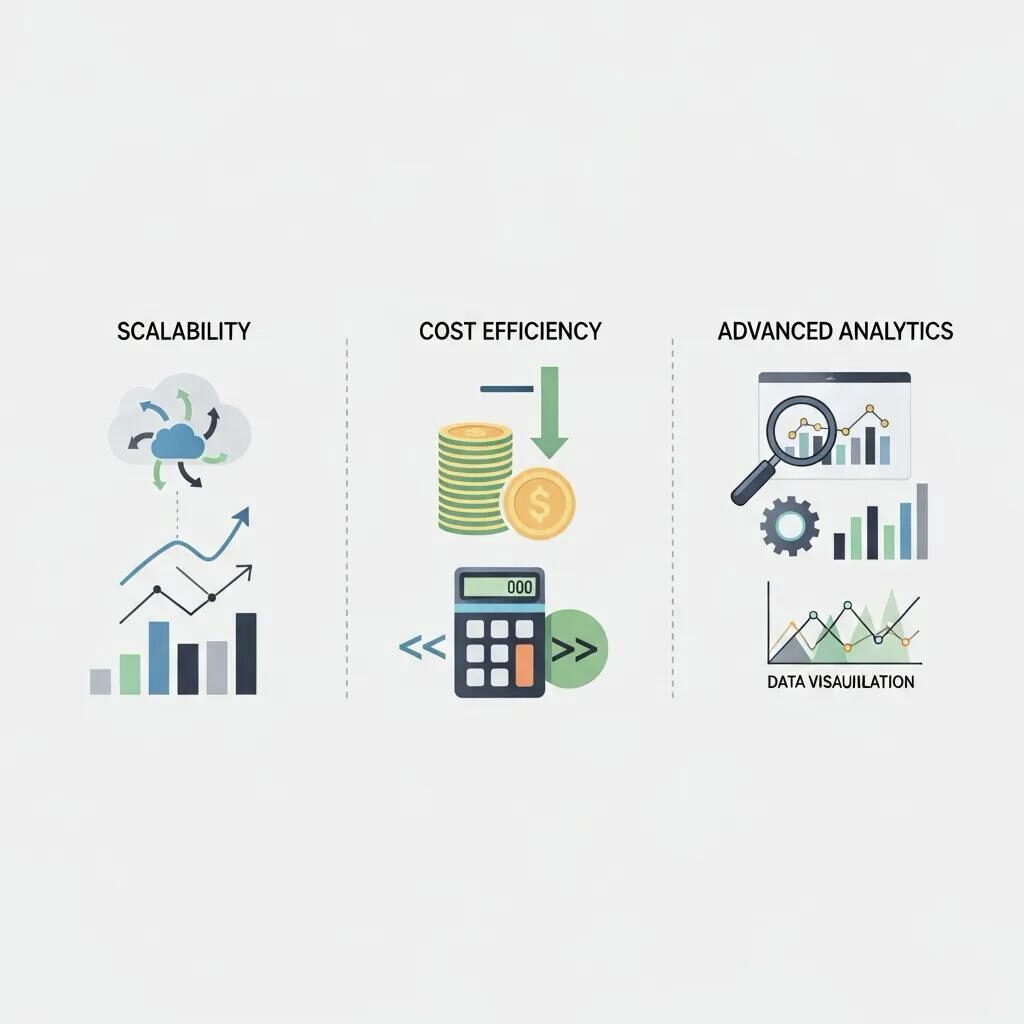
Cloud call centers offer a range of features that enhance customer service and operational efficiency. Some of the most notable features include:
- Scalability: Businesses can easily scale their operations up or down based on demand without significant infrastructure investments.
- Cost Efficiency: By eliminating the need for on-premise hardware and maintenance, cloud call centers reduce operational costs.
- Advanced Analytics: Cloud platforms provide robust analytics tools that help businesses track performance metrics and customer interactions.
These features contribute to improved customer experiences and operational efficiencies.
These core features align with broader research on how cloud services optimize call center operations and improve key performance indicators.
Cloud Services for Call Center Optimization & Efficiency
The key features of such services are self-service on-demand, broadband network access, resource pooling in the pools, instant flexibility, measurability of the services provided. The possibilities of the call-center optimization and improvements of KPI business processes by increasing the level of Software as a Services (SaaS).
Improving the efficiency of architectural solutions based on cloud services integration, OJ Iliashenko, 2016
| Feature | Benefit | Description |
| Scalability | Flexibility | Easily adjust resources based on demand fluctuations. |
| Cost Efficiency | Reduced Expenses | Lower operational costs by eliminating hardware needs. |
| Advanced Analytics | Performance Insights | Gain valuable insights into customer interactions and agent performance. |
The integration of these features allows businesses to enhance their customer service capabilities significantly.
Which Features Enhance Customer Experience and Efficiency?
Several specific features of cloud call centers are particularly effective in enhancing customer experience and operational efficiency:
- Omnichannel Support: This feature allows customers to interact through various channels, such as phone, email, and chat, providing a seamless experience.
- Call Recording: Recording calls for quality assurance and training purposes helps improve service delivery.
- Real-Time Monitoring: Supervisors can monitor calls and agent performance in real-time, enabling immediate feedback and support.
These features collectively contribute to a more responsive and effective customer service environment.
How Do Cloud Call Centers Improve Scalability and Cost Efficiency?
Cloud call centers inherently improve scalability by allowing businesses to add or remove agents and features as needed. This flexibility is crucial during peak seasons or unexpected surges in customer inquiries. Additionally, the cost efficiency of cloud solutions stems from their pay-as-you-go pricing models, which eliminate the need for large upfront investments in hardware and software. Businesses can allocate resources more effectively, ensuring they only pay for what they use.
How Do Cloud Call Centers Compare to Traditional On-Premise Call Centers?
When comparing cloud call centers to traditional on-premise systems, several key differences emerge.
What Are the Advantages of Cloud Contact Center Solutions Over On-Premise Systems?
Cloud contact center solutions offer numerous advantages over traditional systems, including:
- Lower Initial Investment: Cloud solutions typically require less upfront capital, as there is no need for extensive hardware purchases.
- Remote Accessibility: Agents can work from anywhere, which is not possible with traditional systems that require physical infrastructure.
- Automatic Updates: Cloud providers regularly update their software, ensuring that businesses always have access to the latest features and security enhancements.
These advantages make cloud call centers an attractive option for businesses looking to modernize their customer service operations.
What Are the Potential Limitations and Considerations?
Despite their many benefits, cloud call centers also have potential limitations. For instance, businesses may face challenges related to internet connectivity, which can impact call quality. Additionally, some organizations may have concerns about data security and compliance with regulations. It is essential for businesses to evaluate these factors carefully when considering a transition to a cloud-based solution.
What Security and Compliance Measures Are Essential for Cloud Call Centers?
Security and compliance are critical considerations for any cloud call center.
How Do Cloud Call Centers Ensure Data Security and Privacy?
Cloud call centers implement various security measures to protect customer data, including:
- Encryption: Data is encrypted both in transit and at rest to prevent unauthorized access.
- Access Controls: Strict access controls ensure that only authorized personnel can access sensitive information.
- Regular Audits: Conducting regular security audits helps identify and mitigate potential vulnerabilities.
These measures are essential for maintaining customer trust and complying with data protection regulations.
Which Compliance Standards Should Businesses Consider?
Businesses operating cloud call centers should be aware of several compliance standards, including:
- General Data Protection Regulation (GDPR): This regulation governs data protection and privacy in the European Union.
- Health Insurance Portability and Accountability Act (HIPAA): For businesses handling healthcare data, compliance with HIPAA is crucial.
- Payment Card Industry Data Security Standard (PCI DSS): This standard is essential for businesses that process credit card transactions.
Adhering to these standards is vital for ensuring legal compliance and protecting customer data.
What Are the Emerging Trends and Future Innovations in Cloud Communication for 2026?
As technology continues to evolve, several trends are shaping the future of cloud communication.
How Is AI Integration Transforming Cloud Call Center Automation?
Artificial intelligence (AI) is increasingly being integrated into cloud call centers to enhance automation and improve customer interactions. AI-powered chatbots can handle routine inquiries, freeing up agents to focus on more complex issues. Additionally, AI can analyze customer data to provide personalized service, improving overall customer satisfaction.
Further emphasizing this trend, recent analyses highlight how AI and automation are revolutionizing call center efficiency and customer experience by optimizing service level agreements.
AI & Automation for Call Center Efficiency & Customer Experience
This article presents a comprehensive examination of how artificial intelligence and automation technologies revolutionize call center Service Level Agreement (SLA) optimization. It details the transformative capabilities of advanced technologies in forecasting, routing, workforce management, and customer self-service automation that collectively enhance operational efficiency while improving customer experiences.
What Role Do Real-Time Analytics and Omnichannel Support Play?
Real-time analytics and omnichannel support are becoming essential components of cloud call centers. Real-time analytics allow businesses to monitor performance metrics and customer interactions, enabling immediate adjustments to improve service quality. Omnichannel support ensures that customers can engage with businesses through their preferred channels, creating a more cohesive and satisfying experience.
Where Can You Find Case Studies and Industry Use Cases Demonstrating Cloud Call Center ROI?
Understanding the return on investment (ROI) of cloud call centers is crucial for businesses considering this transition.
What Are Recent Success Stories Highlighting Scalability and Efficiency?
Several organizations have successfully implemented cloud call centers, demonstrating significant improvements in scalability and efficiency. For example, a retail company reported a 30% increase in customer satisfaction after transitioning to a cloud-based system, thanks to improved response times and better resource allocation.
How Do Different Industries Leverage Cloud Customer Service Platforms?
Various industries are leveraging “cloud customer service platforms” to enhance their operations. For instance, healthcare providers use cloud call centers to manage patient inquiries and appointment scheduling, while e-commerce businesses utilize them to handle order-related questions and support. This versatility highlights the adaptability of cloud solutions across different sectors.
Take the Next Step with IDT Express
Cloud call centers represent the future of customer service, delivering unmatched flexibility, scalability, and cost efficiency compared to traditional systems. As detailed in this guide, these modern platforms rely on cutting-edge technologies like VoIP, advanced analytics, and AI integration to drive digital transformation and enhance the customer experience.
To fully leverage the global potential of a cloud call center, businesses require reliable, worldwide voice connectivity. IDT Express is a premier provider empowering this global reach by offering robust, high-quality voice routes and extensive DID (Direct Inward Dialing) numbers in over 140 countries.
Whether you’re looking to scale your operations instantly, ensure crystal-clear remote support, or comply with complex international regulations, IDT Express provides the critical infrastructure.
Ready to launch or expand your world-class cloud call center?
Explore how IDT Express’s reliable voice routes and global DID network can optimize your performance, reduce operational costs, and connect you with customers around the world.
[Click Here to Learn More and Start Your Global Cloud Transformation Today]